Searching recalls…
Searching…
Searching…
Home › Appliances & tools › Lithium-Ion Batteries Used with Bicycle Lights
The notice says to stop using it — see below for what to do.
The lithium-ion batteries can overheat, posing a fire hazard to consumers.
The Recall Registry rates this serious — Fire or burn risk.
Photos help. Identifiers decide. Appearance can vary by color, finish or packaging. Confirm the model number, date code or other identifier in the official notice.
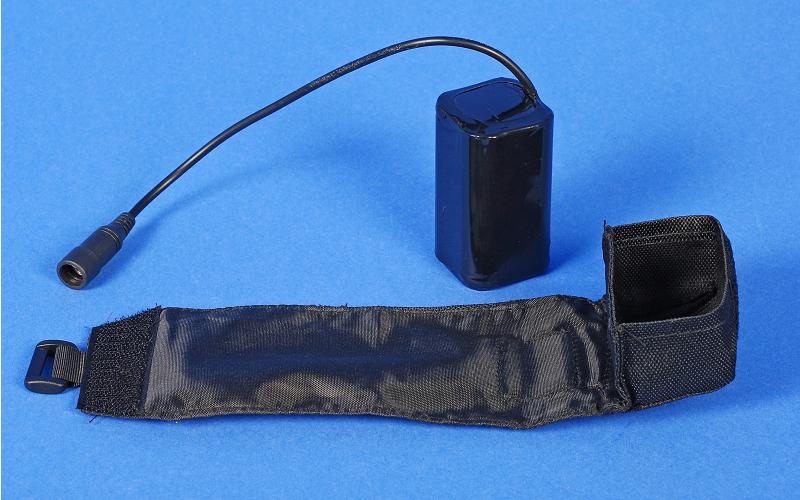
Recall image provided by CPSC
Consumers should immediately stop using the recalled batteries. The company is notifying all known consumers. Consumers who have purchased the recalled batteries from GeoManGear and have not been contacted should visit www.MagicshineBatteryRecall.com to register to receive a free replacement battery.
Who to contact: For additional information, visit GeoManGear's website at www.geomangear.com or send an e-mail to recall@geomangear.com
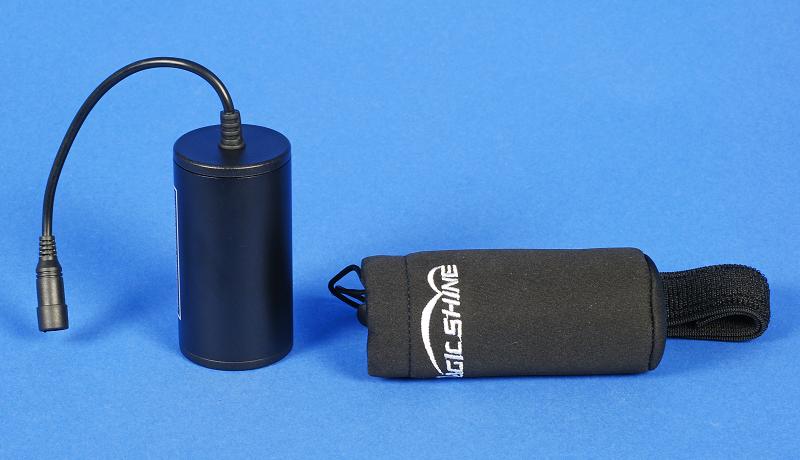
This recall involves Magicshine Series I and Series II lithium-ion batteries. The batteries were sold with bicycle light sets with the following models: Magicshine 900 Lumen (MJ-808), 1400 Lumen (MJ-816) and Tail light (MJ818). The batteries were also sold separately. The Series I battery comes in a nylon pack enclosure and the Series II in an aluminum pack enclosure inserted into a fabric sleeve. The model number is found on the product packaging. The Magicshine logo is found on the sleeve covering of the Series II battery.
GeoManGear's website from June 2009 through November 2010 for between $40 and $130.
This recall was issued by the U.S. Consumer Product Safety Commission. The Recall Registry summarises it — always confirm the details at the source.
Their exact wording: “Lithium-Ion Batteries Used with Bicycle Lights Recalled by GeoManGear Due to Fire Hazard”
Worried about the other things in your house? You can write down what you have and be told if one is recalled — or, if you sell second-hand, check your whole stock at once.
Filed under: Appliances & tools
The ladders can suddenly retract if the Rapid Locks are not fully engaged, posing a fall hazard to consumers.