Searching recalls…
Searching…
Searching…
Home › Appliances & tools › QIOMALA Pressure Washers
The notice says to stop using it — see below for what to do.
The recalled pressure washers lack an adequate-length power cord, which can encourage use of an extension cord, posing a serious risk of injury or death from shock and electrocution hazards.
The Recall Registry rates this serious — The agency describes a risk of serious injury or death.
Photos help. Identifiers decide. Appearance can vary by color, finish or packaging. Confirm the model number, date code or other identifier in the official notice.
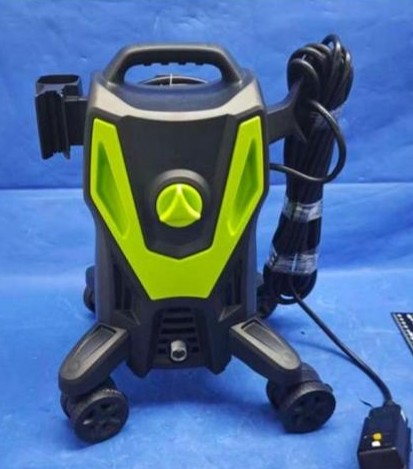
Recall image provided by CPSC
Consumers should stop using the recalled pressure washers immediately and contact QIOMALA for a full refund. Consumers will be asked to unplug the pressure washer, cut the power cord in half and send a photo of the destroyed power washer, showing the model number, to QIOMALA@163.com. Consumers should then dispose of the destroyed recalled product.
Who to contact: QIOMALA by email at QIOMALA@163.com.
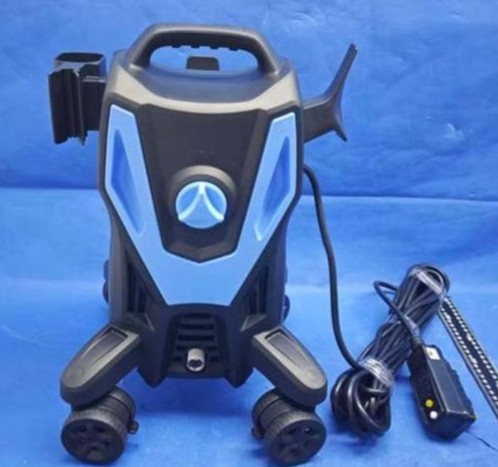
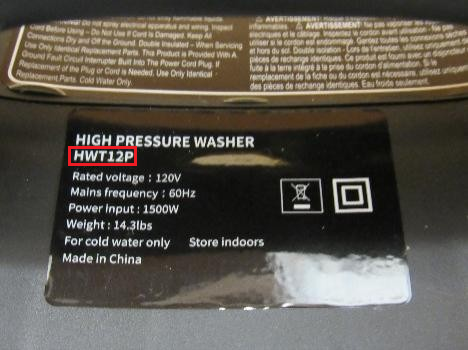
This recall involves QIOMALA-branded pressure washers with model number “HWT12P”. The 1.2 GPM electric pressure washers were sold in green with black and in blue with black and measure about 14 inches deep, 11 inches wide and 15 inches high. The pressure washers came with a 500 ml soap tank, four quick disconnect nozzles and a 20-foot hose. Model number “HWT12P” is printed on a label on back of the unit, near the power cord entry point.
Sold Online At: Amazon.comfrom April 2026through June 2026 for about $130.
This recall was issued by the U.S. Consumer Product Safety Commission. The Recall Registry summarises it — always confirm the details at the source.
Their exact wording: “QIOMALA Pressure Washers Recalled Due to Serious Risk of Injury or Death from Shock and Electrocution Hazards”
Worried about the other things in your house? You can write down what you have and be told if one is recalled — or, if you sell second-hand, check your whole stock at once.
Filed under: Appliances & tools
The recalled lithium-ion battery packs can overheat and ignite, posing a risk of injury from fire and overheating hazards.