Searching recalls…
Searching…
Searching…
Home › Everything else › Wireless Headset Batteries
The notice says to stop using it — see below for what to do.
An internal short circuit in the lithium-ion polymer batteries can cause the batteries to overheat, posing a fire hazard.
The Recall Registry rates this serious — Fire or burn risk.
Photos help. Identifiers decide. Appearance can vary by color, finish or packaging. Confirm the model number, date code or other identifier in the official notice.
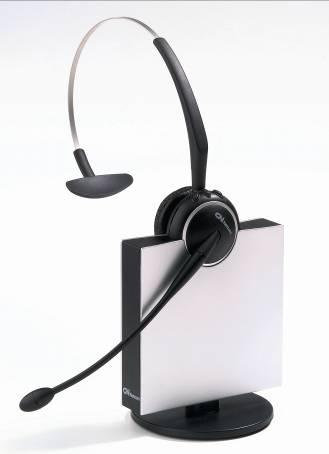
Recall image provided by CPSC
Consumers should immediately stop using and unplug the headsets. Consumers should contact GN Netcom to receive a replacement battery.
Who to contact: For additional information, contact GN Netcom at (877) 803-6467 between 9 a.m. and 6 p.m. Monday through Friday ET, or visit the firm's Web site at www.jabra.com
This recall involves ATL lithium-ion polymer batteries in GN9120 wireless headsets. The headsets are intended primarily for professional use in offices and call centers. The product is sold with three components: a base station, headset and power adapter. "GN Netcom" or "GN9120" is printed on the base station and headset. The affected batteries have part number 603028 and have a white plastic enclosure. The batteries are labeled "Made by ATL (Amperex Technology Ltd.)" and "(ATL P/N 603028)." Batteries sold as a replacement part are labeled "GN9120 battery replacement kit."
GN Netcom, authorized distributors and resellers nationwide from January 2005 through September 2008 for between $150 and $350 as part of the GN9120 headset and about $20 as a replacement part.
This recall was issued by the U.S. Consumer Product Safety Commission. The Recall Registry summarises it — always confirm the details at the source.
Their exact wording: “Wireless Headset Batteries Recalled by GN Netcom Due to Fire Hazard”
Worried about the other things in your house? You can write down what you have and be told if one is recalled — or, if you sell second-hand, check your whole stock at once.
Filed under: Everything else
A loss of driver power increases the risk of a crash.