Searching recalls…
Searching…
Searching…
Home › Furniture & furnishings › Steelcase Inc. Desk Chairs
The notice says to stop using it — see below for what to do.
The pivot pins installed in the control mechanism under the chair seat can fall out, posing a fall hazard to the user.
The Recall Registry rates this serious — Fall risk.
Photos help. Identifiers decide. Appearance can vary by color, finish or packaging. Confirm the model number, date code or other identifier in the official notice.
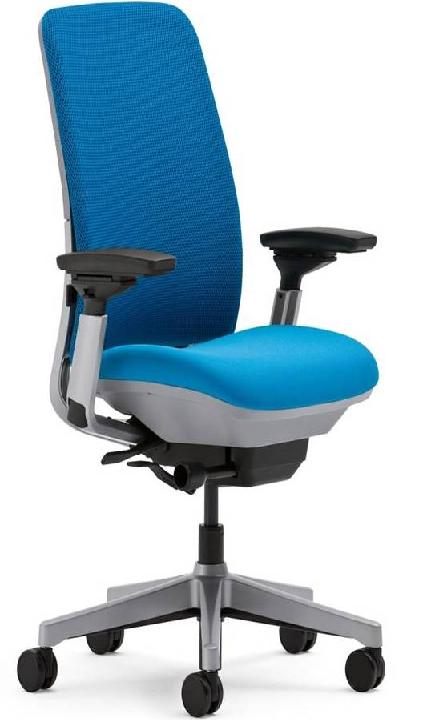
Recall image provided by CPSC
Consumers should immediately stop using the chairs and contact Steelcase to receive adhesive covers to apply over the pivot pins on their chairs. These pin adhesive covers can be applied without the use of a tool in less than five minutes. The firm is contacting all known purchasers.
Who to contact: For additional information, contact Steelcase toll-free at (800) 391-7194 between 8 a.m. and 5 p.m. ET Monday through Friday. Consumers can also e-mail the firm at retrofits@steelcase.com
This recall includes the model 482 Series Steelcase Amia desk chairs manufactured between March 1, 2011 and June 6, 2011. The model number and manufacture date are printed on a label on the underside of the chair seat. The seats are available in various colored fabric options as well as leather.
Authorized Steelcase dealers and retail outlets including Healthy Back Store, CSN, Home Office Solutions, Office & Company and Sam Flax stores nationwide and online at www.store.steelcase.com from March 2011 through June 2011 for between $350 and $700.
This recall was issued by the U.S. Consumer Product Safety Commission. The Recall Registry summarises it — always confirm the details at the source.
Their exact wording: “Steelcase Inc. Recalls Desk Chairs Due to Fall Hazard”
Worried about the other things in your house? You can write down what you have and be told if one is recalled — or, if you sell second-hand, check your whole stock at once.
Filed under: Furniture & furnishings
During assembly or disassembly, the frame of the wall bed can fall onto consumers, posing deadly impact, crush and laceration hazards.