Searching recalls…
Searching…
Searching…
Home › Furniture & furnishings › Risk of Strangulation Prompts Recall to Repair…
Check whether yours is affected, then follow the instructions below.
Strangulations can occur if the lifting loop slides off the side of the blind and a child's neck becomes entangled on the free-standing loop or if a child places his/her neck between the lifting loop and the roll-up blind material.
The Recall Registry rates this highest risk — Strangulation risk.
Photos help. Identifiers decide. Appearance can vary by color, finish or packaging. Confirm the model number, date code or other identifier in the official notice.
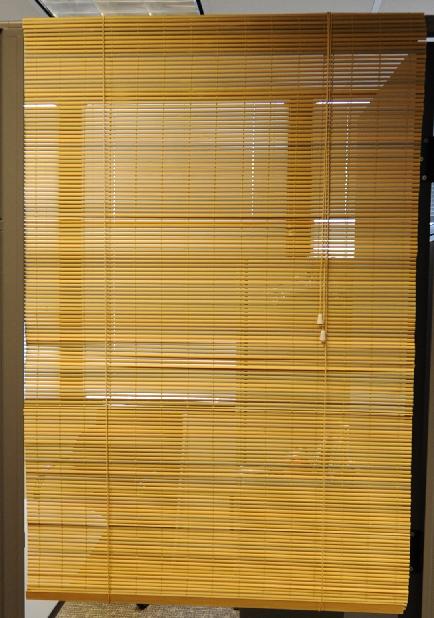
Recall image provided by CPSC
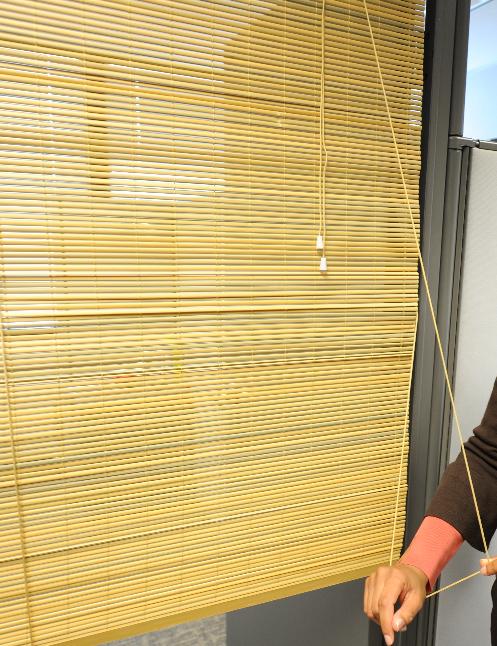
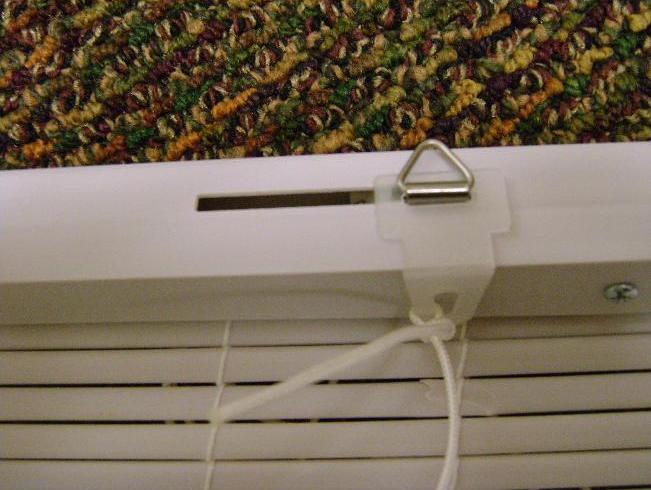
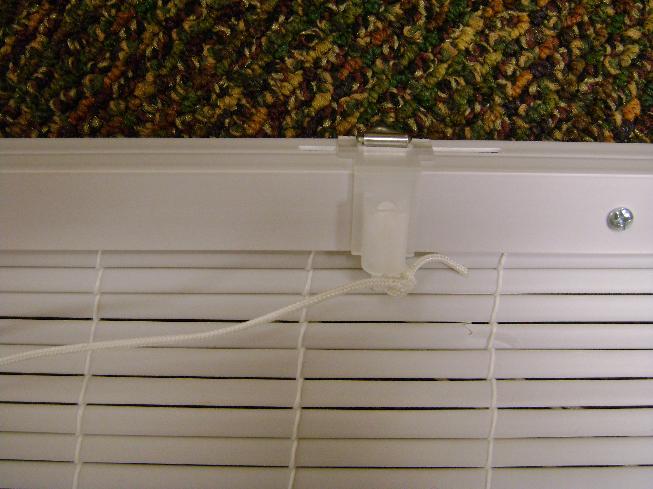
Consumers should immediately check the backside of the roll-up blinds to determine if they have release clips. If the roll-up blind does not have release clips, stop using the blinds immediately and contact the Window Covering Safety Council for a free repair kit.
Who to contact: For additional information, contact the Window Covering Safety Council at (800) 506-4636 anytime or visit www.windowcoverings.org
This recall involves all roll-up blinds without release clips (see picture below). The roll-up blinds have plastic, ¼" oval-shaped slats, and measure either 48" or 72" long. The blinds were sold with two warning hang tags indicating ways to avoid strangulation.
Ace Hardware and Big Lots stores nationwide from January 1999 through April 2009 for between $6 and $20.
This recall was issued by the U.S. Consumer Product Safety Commission. The Recall Registry summarises it — always confirm the details at the source.
Their exact wording: “Risk of Strangulation Prompts Recall to Repair Roll-Up Blinds by Lotus & Windoware: Sold Exclusively at Ace Hardware and Big Lots”
Worried about the other things in your house? You can write down what you have and be told if one is recalled — or, if you sell second-hand, check your whole stock at once.
Filed under: Furniture & furnishings
During assembly or disassembly, the frame of the wall bed can fall onto consumers, posing deadly impact, crush and laceration hazards.