Searching recalls…
Searching…
Searching…
Home › Furniture & furnishings › Philips Halogen Bulbs
The notice says to stop using it — see below for what to do.
The lens of the bulb can shatter in the lamp or the lens can fall and shatter, posing a laceration and burn hazard.
The Recall Registry rates this serious — Fire or burn risk.
Photos help. Identifiers decide. Appearance can vary by color, finish or packaging. Confirm the model number, date code or other identifier in the official notice.
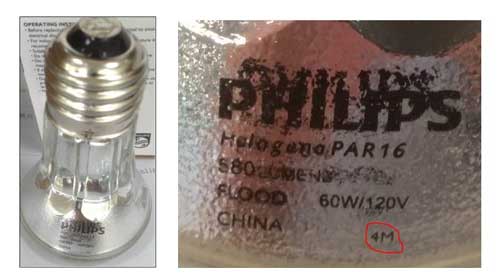
Recall image provided by CPSC
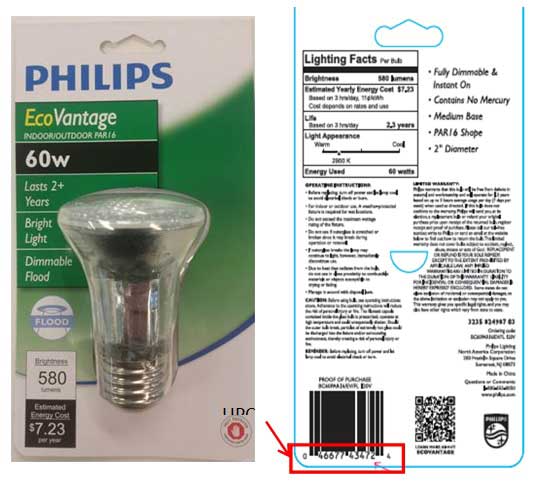
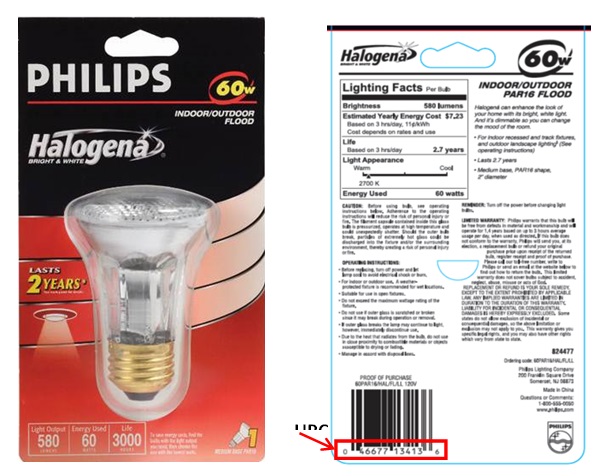
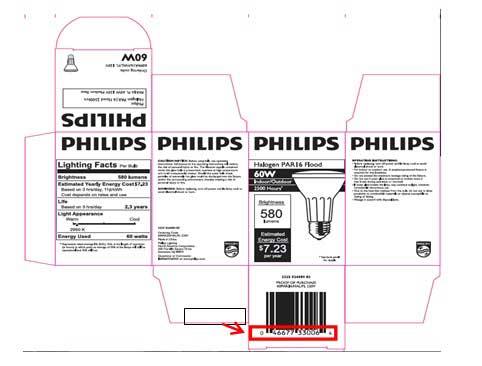
Consumers should immediately stop using these recalled bulbs, remove them from any fixtures and contact Philips to request packaging materials and instructions for returning the recalled bulbs at no cost. Philips will provide free replacement bulbs.
Who to contact: Philips Lighting North America Corporation at 800-239-6587 from 9 a.m. to 5 p.m. ET Monday through Friday, email at halogenlamp@philips.com and online at www.philips.com/recall and select "United States/English" for more information.
This recall involves Philips 60W PAR 16 120V halogen bulbs manufactured from November 2013 to March 2015. Date codes that represent the month and year of production are painted on the bulb glass along with "PHILIPS Halogena PAR 16," "China" and "60W/120/V." Recalled bulb date codes include: Affected Date Codes: 2013 3L, 3M 2014 4A, 4B, 4C, 4D, 4E, 4F, 4G, 4H, 4J, 4K, 4L, 4M 2015 5A, 5B, 5C
Home Depot stores and professional distributors nationwide and online at www.Amazon.com from November 2013 through March 2015 for about $10.
This recall was issued by the U.S. Consumer Product Safety Commission. The Recall Registry summarises it — always confirm the details at the source.
Their exact wording: “Philips Recalls Halogen Bulbs Due to Laceration and Burn Hazards”
Worried about the other things in your house? You can write down what you have and be told if one is recalled — or, if you sell second-hand, check your whole stock at once.
Filed under: Furniture & furnishings
During assembly or disassembly, the frame of the wall bed can fall onto consumers, posing deadly impact, crush and laceration hazards.