Searching recalls…
Searching…
Searching…
Home › Furniture & furnishings › Near Strangulation Prompts Recall of Roman…
The notice says to stop using it — see below for what to do.
Strangulations can occur when a child places his/her neck between the exposed inner cord and the fabric on the backside of the blind or when a child pulls the cord out and wraps it around his/her neck. The Roman blind has a continuous looped bead chain that when not attached to the wall or floor, hangs loosely by the blind, posing a strangulation hazard to children.
The Recall Registry rates this highest risk — Strangulation risk.
Photos help. Identifiers decide. Appearance can vary by color, finish or packaging. Confirm the model number, date code or other identifier in the official notice.
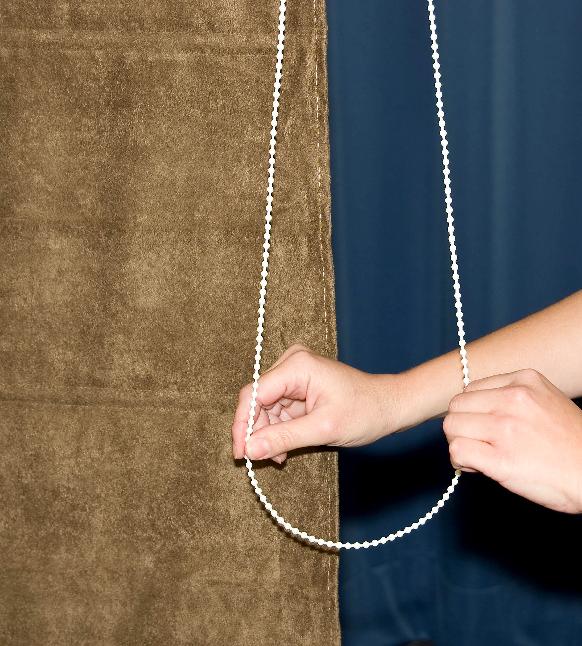
Recall image provided by CPSC
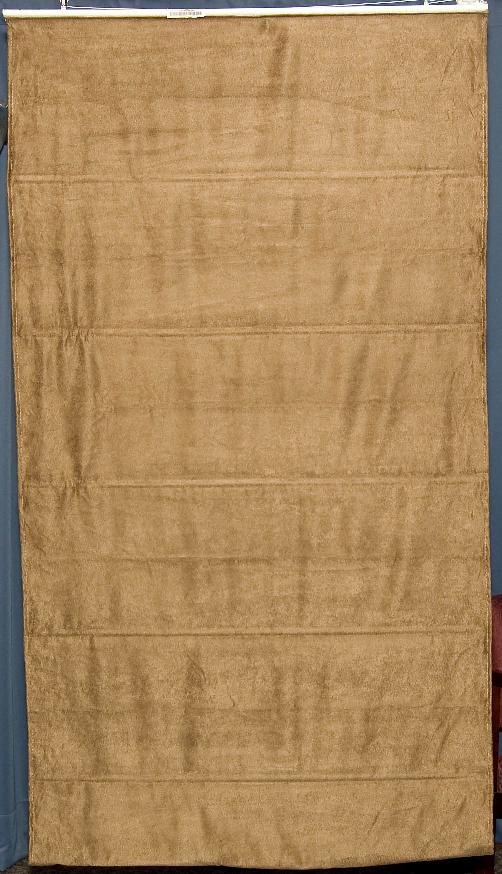
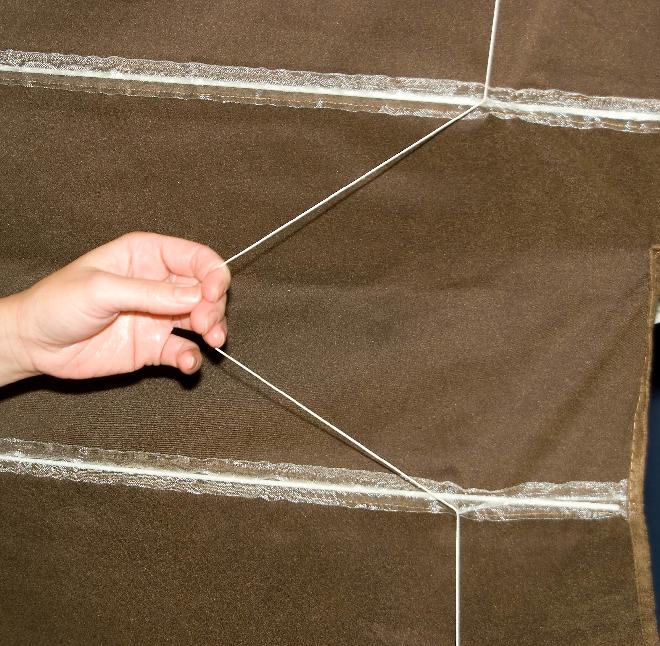
Consumers should immediately stop using the recalled Roman blinds and return them to any IKEA store for a full refund.
Who to contact: For additional information, contact IKEA toll-free at (888) 966-4532 anytime, or visit the firm's Web site atwww.ikea-usa.com.
This recall includes all sizes/colors of MELINA Roman blinds. These blinds have a sewn-in label at the top edge of the blind with the IKEA logotype, article name (MELINA), 5-digit supplier number 19395, four-digit date stamp (YYWW) and the words "Made in Taiwan". On the bottom edge of the blind there is a sewn-in orange/white safety warning label. The blinds are made from 100% polyester.
IKEA stores nationwide from August 2006 through June 2008 for between $20 and $40.
This recall was issued by the U.S. Consumer Product Safety Commission. The Recall Registry summarises it — always confirm the details at the source.
Their exact wording: “Near Strangulation Prompts Recall of Roman Blinds; Sold Exclusively at IKEA”
Worried about the other things in your house? You can write down what you have and be told if one is recalled — or, if you sell second-hand, check your whole stock at once.
Filed under: Furniture & furnishings
During assembly or disassembly, the frame of the wall bed can fall onto consumers, posing deadly impact, crush and laceration hazards.