Searching recalls…
Searching…
Searching…
Home › Cleaning & chemicals › Lithium Coin Batteries
The notice says to stop using it — see below for what to do.
The recalled coin batteries are not in child-resistant packaging and do not bear the warning labels required under Reese's Law. When button cell or coin batteries are swallowed, the ingested batteries can cause serious injuries, internal chemical burns, and death.
The Recall Registry rates this highest risk — Button-cell battery ingestion can cause fatal internal burns.
Photos help. Identifiers decide. Appearance can vary by color, finish or packaging. Confirm the model number, date code or other identifier in the official notice.
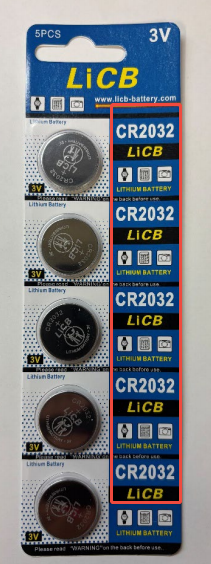
Recall image provided by CPSC
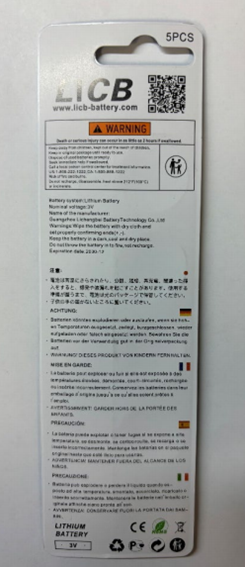
Consumers should stop using the coin batteries immediately, place them in an area that children cannot access, and contact LiCB for a full refund. Consumers will be asked to dispose of the batteries according to local hazardous waste guidelines. Note: Button cell and coin batteries are hazardous. Batteries should be disposed of or recycled by following local hazardous waste procedures.
Who to contact: LiCB by email at LiCBCR2032CoinBatteryrecall@outlook.com.
This recall involves LiCB-branded lithium coin batteries. The three-volt silver batteries were sold in packs of two, each with five batteries. The brand name and "CR2032" are embossed on the battery and printed on the product packaging.
Online at Amazon.com in February 2026 for about $6.
This recall was issued by the U.S. Consumer Product Safety Commission. The Recall Registry summarises it — always confirm the details at the source.
Their exact wording: “Lithium Coin Batteries Recalled Due?to Risk of Serious Injury or Death from Battery Ingestion; Violates Federal Statute for Child-Resistant Packaging of Coin Batteries; Imported and Sold on Amazon by LiCB”
Worried about the other things in your house? You can write down what you have and be told if one is recalled — or, if you sell second-hand, check your whole stock at once.
Filed under: Cleaning & chemicals
The LED Tea Lights violate the mandatory safety standard for consumer products with button cell and coin batteries because the button batteries can…