Searching recalls…
Searching…
Searching…
Home › Everything else › High-Pressure Scuba Diving Air Hoses
The notice says to stop using it — see below for what to do.
The diving hose that connects the regulator to the tank's pressure gauge can separate reducing the available air supply to the diver, posing a drowning hazard.
The Recall Registry rates this highest risk — Drowning risk.
Photos help. Identifiers decide. Appearance can vary by color, finish or packaging. Confirm the model number, date code or other identifier in the official notice.

Recall image provided by CPSC
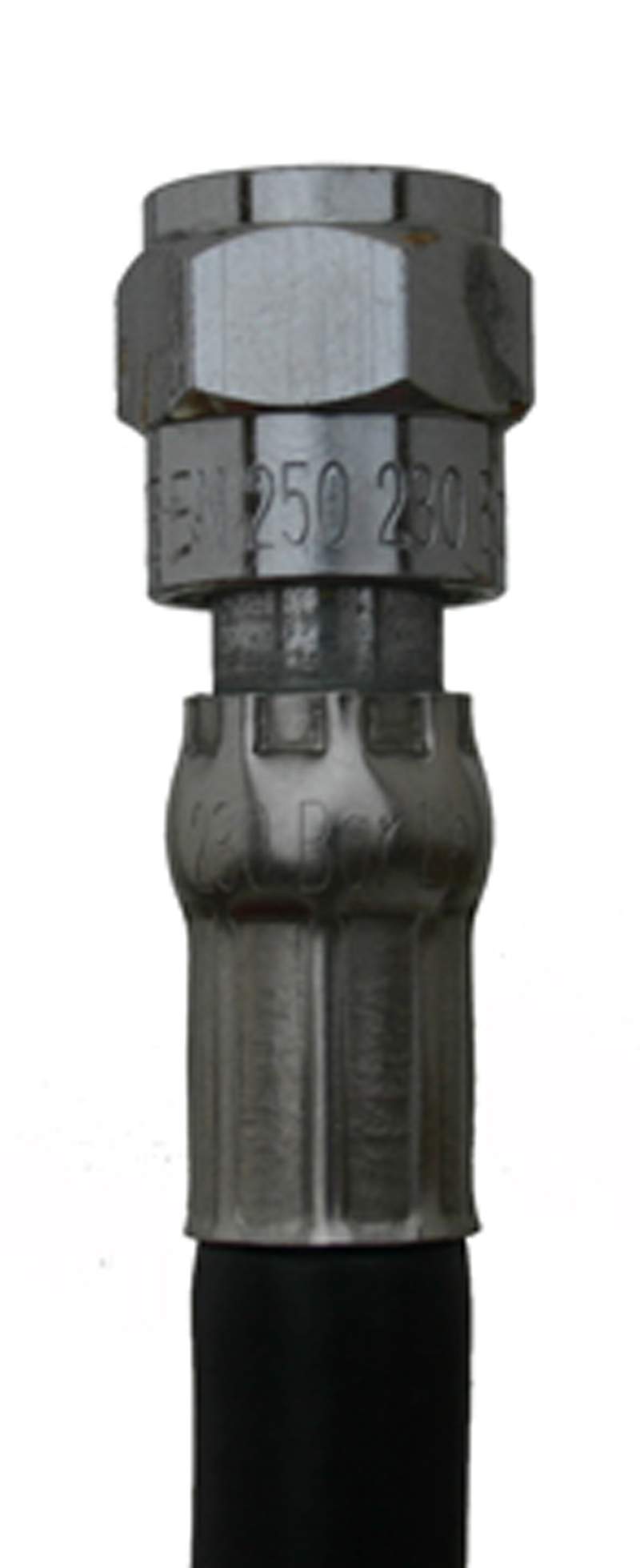
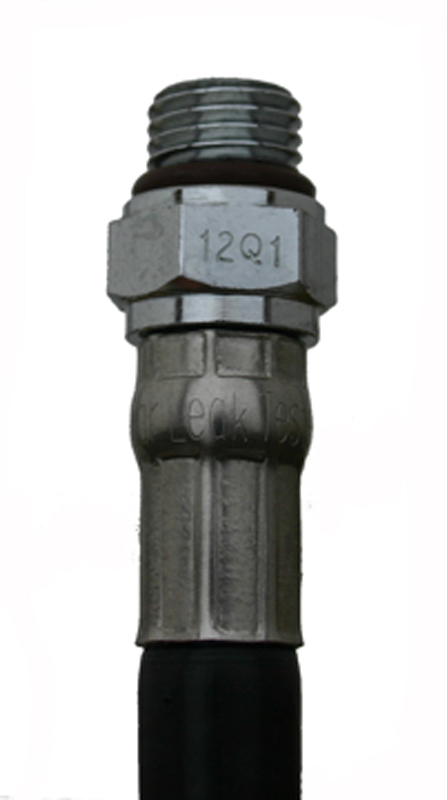
Consumers should immediately stop using the hoses and contact A-Plus Marine for a free replacement hose.
Who to contact: A-Plus Marine; at (800) 352-2360, from 9 a.m. to 5 p.m. PT Monday through Friday, or online at www.aplusmarine.com and click on the recall notice on High Pressure Braided Hose Safety Recall. Consumers can also send an email to eric@aplusmarine.com for more information.
The recalled air hoses are high-pressure scuba air hoses with a black, smooth rubber outer covering. They are about half a centimeter in diameter and 32 or 36 inches long. These hoses connect the regulator to the tank pressure gauge. The phrase "Scuba Diving High Pressure hose I.D. 3/16" (4.76 mm) W.P. 5000 PSI Exceeds SAE 100RT braid with Kevlar fiber from Dupont" is printed in white lettering on the hose's outer covering. The hoses have metal fittings on each end. "CE EN 250 230" is stamped on the female side of the fitting and "12Q1" on the male side.
Scuba diving retailers nationwide from April 2012 through June 2012 for about $34.
This recall was issued by the U.S. Consumer Product Safety Commission. The Recall Registry summarises it — always confirm the details at the source.
Their exact wording: “High-Pressure Scuba Diving Air Hoses Recalled by A-Plus Marine Due to Drowning Hazard”
Worried about the other things in your house? You can write down what you have and be told if one is recalled — or, if you sell second-hand, check your whole stock at once.
Filed under: Everything else
A loss of driver power increases the risk of a crash.