Searching recalls…
Searching…
Searching…
Home › Everything else › HALO SleepSacks Wearable Blankets
The notice says to stop using it — see below for what to do.
Petals from the floral embellishment on the blankets can detach, posing a choking hazard to infants.
The Recall Registry rates this serious — Choking hazard from small parts.
Photos help. Identifiers decide. Appearance can vary by color, finish or packaging. Confirm the model number, date code or other identifier in the official notice.
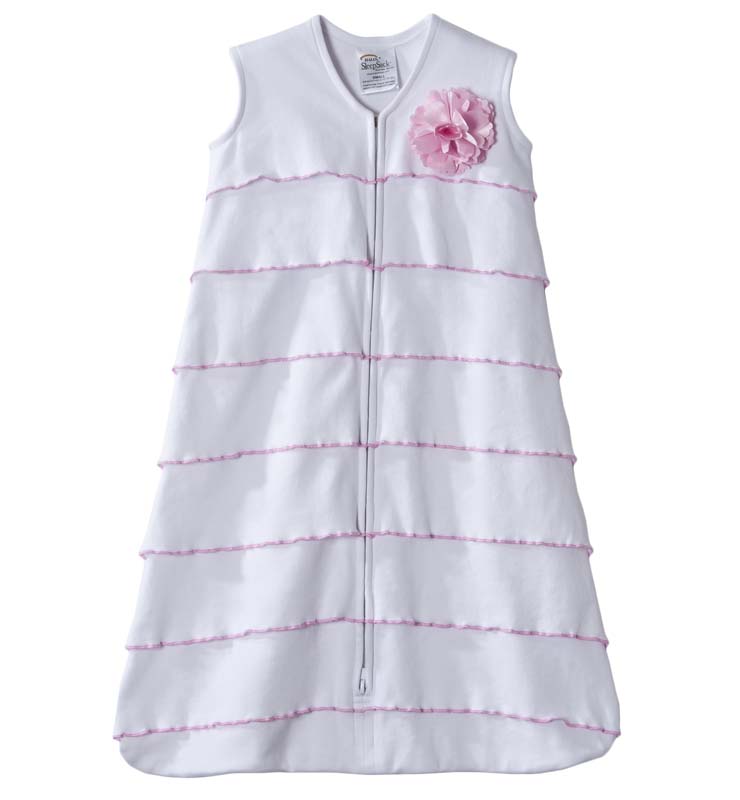
Recall image provided by CPSC


Consumers should immediately stop using the wearable blankets and contact HALO Innovations for a pre-paid envelope containing instructions to remove and return the flower and order a free replacement product.
Who to contact: Halo Innovations toll-free at (866) 819-8118 from 8 a.m. to 5 p.m. CT Monday through Friday, e-mail at halorecall@nrmsinc.com or online at www.halosleep.com and click on the product recall link on the homepage for more information.
The recalled HALO SleepSack wearable blankets are 100% white cotton with pink-edged ruffles and a pink satin rose embellishment on the front. These sack-shaped wearable blankets have cut-outs for the baby's arms, a zipper down the center, a sewn bottom and were sold in small and medium sizes. Only SleepSack products with GPU numbers 2701, 2781, 2886, 2887, 3007, 3035 and 3142 printed on a neck label under the primary neck label are included in the recall.
Babies R Us and www.babiesrus.com from December 2011 through July 2013 for about $25.
This recall was issued by the U.S. Consumer Product Safety Commission. The Recall Registry summarises it — always confirm the details at the source.
Their exact wording: “HALO SleepSacks Wearable Blankets Recalled Due to Choking Hazard; Sold Exclusively at Babies R Us”
Worried about the other things in your house? You can write down what you have and be told if one is recalled — or, if you sell second-hand, check your whole stock at once.
Filed under: Everything else
Glass can break inside the recalled cups while in use, posing a risk of serious injury from ingestion and laceration hazards.