Searching recalls…
Searching…
Searching…
Home › Everything else › FeraDyne Outdoors Rhino Climbing Sticks
The notice says to stop using it — see below for what to do.
The climbing sticks can break at the weld point, posing fall and laceration hazards to consumers.
The Recall Registry rates this serious — Risk of severe physical injury.
Photos help. Identifiers decide. Appearance can vary by color, finish or packaging. Confirm the model number, date code or other identifier in the official notice.
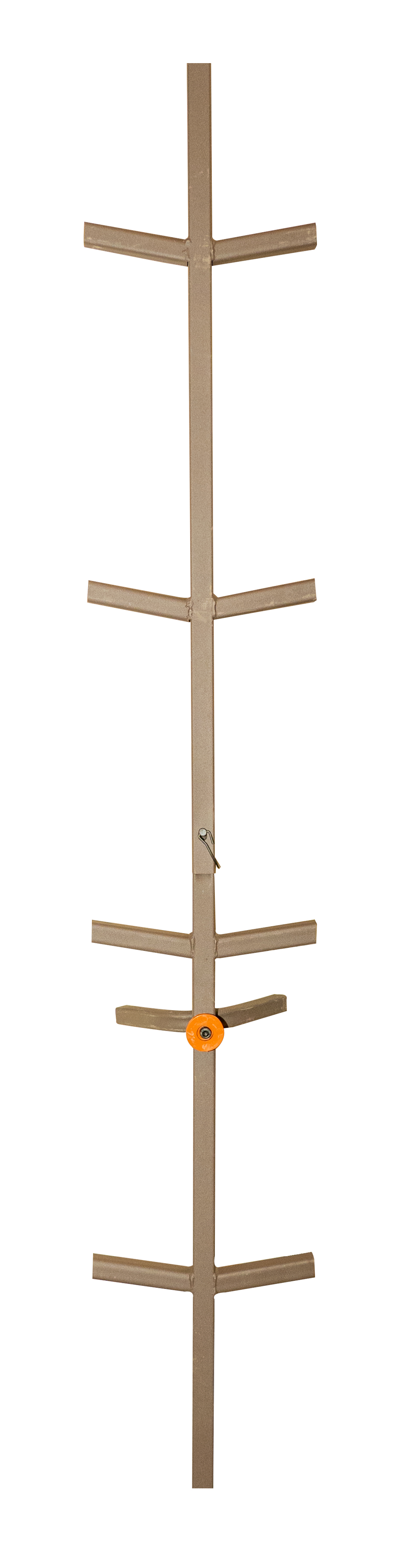
Recall image provided by CPSC
Consumers should immediately stop using the recalled climbing sticks and contact FeraDyne to receive a full refund. Consumers can return the recalled product with a FeraDyne-provided prepaid mailer or receive instructions on how to destroy the climbing stick.
Who to contact: FeraDyne Outdoors at 800-787-7589 Monday through Friday from 9 a.m. to 4 p.m. CT, email at RTSL24recall@FeraDyne.com, or online at www.RTSL24recall.com or www.feradyne.com and click on "Recall" at the top of the page for more information.
This recall involves Rhino branded 24-foot Hot Foot Climbing Sticks used in game hunting. They have extended tree braces with angled steps in six four-foot stick sections. The model name "RTSL-24" and lot codes are printed on a label attached to the support pole. Lot codes with calendar year 2023 and all previous years are included in this recall. The lot codes have a two-digit year followed by a two-digit month, i.e., 2312xx, 2212xx.
Amazon.com, Walmart.com and other sporting goods stores nationwide from January 2021 through December 2023 for about $100.
This recall was issued by the U.S. Consumer Product Safety Commission. The Recall Registry summarises it — always confirm the details at the source.
Their exact wording: “FeraDyne Outdoors Recalls Rhino Climbing Sticks Due to Fall and Laceration Hazards”
Worried about the other things in your house? You can write down what you have and be told if one is recalled — or, if you sell second-hand, check your whole stock at once.
Filed under: Everything else
A loss of driver power increases the risk of a crash.