Searching recalls…
Searching…
Searching…
Home › Everything else › dormakaba Delayed Egress Locks
Check whether yours is affected, then follow the instructions below.
The lockset can fail to open, posing an entrapment hazard and inability to vacate a location in an emergency.
The Recall Registry rates this highest risk — A child can become trapped.
Photos help. Identifiers decide. Appearance can vary by color, finish or packaging. Confirm the model number, date code or other identifier in the official notice.
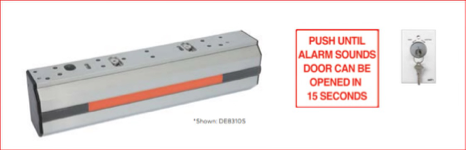
Recall image provided by CPSC
Facilities using the recalled locks should contact the firm for instructions on receiving a free repair of the firmware by a technician.
Who to contact: dormakaba at 800-265-6630 from 8 a.m. to 5 p.m. ET Monday through Friday, email at DE8310.Recall@dormakaba.com or online at dormakaba.us and search for "recall" or "DE8310" for more information or here.
This recall involves dormakaba Delayed Egress Locks with model number DE8310 found on the inside of the wiring cavity cover plate. These locks detect when pressure is applied to a door and are set with a release delay of 15 or 30 seconds. The recalled locks include an internal or external alarm sounder, key switch for reset and override, and a building code sign for single out swinging doors. Delayed egress locks are typically used on perimeter exit doors and internal fire doors to discourage or delay unauthorized exit while providing a safe means of escape during a fire or other catastrophic emergency.
Installed by contractors nationwide from October 2019 through March 2021 for between $1,200 and $1,400.
This recall was issued by the U.S. Consumer Product Safety Commission. The Recall Registry summarises it — always confirm the details at the source.
Their exact wording: “dormakaba Recalls Delayed Egress Locks Due to Risk of Entrapment in an Emergency”
Worried about the other things in your house? You can write down what you have and be told if one is recalled — or, if you sell second-hand, check your whole stock at once.
Filed under: Everything else
A loss of driver power increases the risk of a crash.