Searching recalls…
Searching…
Searching…
Home › Furniture & furnishings › CB2 Trace Bookcases
The notice says to stop using it — see below for what to do.
The bookcase frame can collapse when fully loaded, posing an injury hazard.
The Recall Registry rates this worth checking — we found nothing in the notice describing a specific injury. A recall covers only the versions, UPCs or date codes it names, so check those against yours.
Photos help. Identifiers decide. Appearance can vary by color, finish or packaging. Confirm the model number, date code or other identifier in the official notice.
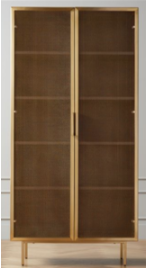
Recall image provided by CPSC
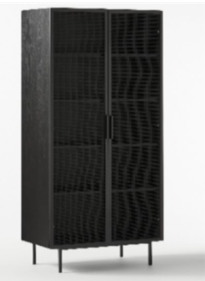
Consumers should immediately stop using the recalled bookcases and contact CB2 for instructions on how to receive a free replacement bookcase or a full refund.
Who to contact: CB2 at 800-451-8217 from 8 a.m. to 7 p.m. CT Monday through Friday, 8 a.m. to 6 p.m. CT Saturday and Sunday or online at www.cb2.com and click on “Recalls” located at the bottom of the page for more information.
This recall involves the Trace Brass Bookcase (SKU: 338-925) and the Trace Black Bookcase (SKU: 603-232). The bookcases measure 62 inches tall by 34 inches wide. They have a brushed oak veneer or black frame with two wire mesh doors and four shelves. Trace, CB2 and the SKU number are printed on a label on the back of the bookcase.
CB2 stores nationwide and online at www.CB2.com from June 2019 through July 2020 (Trace Brass bookcase) and during July 2020 (Trace Black bookcase) for about $1,400.
This recall was issued by the U.S. Consumer Product Safety Commission. The Recall Registry summarises it — always confirm the details at the source.
Their exact wording: “CB2 Recalls Trace Bookcases Due to Risk of Collapse; Injury Hazard to Consumers”
Worried about the other things in your house? You can write down what you have and be told if one is recalled — or, if you sell second-hand, check your whole stock at once.
Filed under: Furniture & furnishings
During assembly or disassembly, the frame of the wall bed can fall onto consumers, posing deadly impact, crush and laceration hazards.